
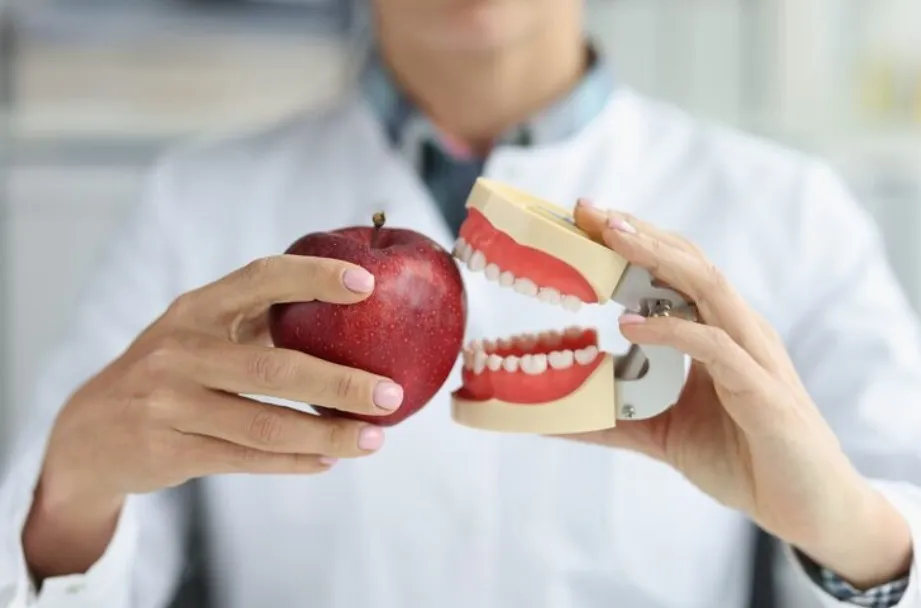
Do you have trouble chewing with new dentures? Getting used to them can take a while, especially when it comes to eating the foods you love again. If you recently visited the dentist in Winnipeg and now have a new smile, there may be meals that are safe to eat. Alternatively, there may be meals to avoid. The bright side is that you will eat comfortably and confidently again soon if you eat the right foods and are patient.
How to Get Started with Dentures
Your mouth requires an adjustment period when you first receive dentures near you. When patients first receive dentures, their mouths will be sore from the chewing action. Your gums, tongue, and jaw muscles have to work together to keep the dentures in place while chewing and speaking. Beginning with softer foods can facilitate the transition and make it easier.
In the initial days, remember to eat small bites and chew slowly. In time, you will know how to use your mouth and have a variety of foods again.
What are the Best Foods to Eat with New Dentures
Stick to soft and easy-to-chew food during the adjustment phase so as not to hurt your gums. Here are some good options.
- Mashed potatoes or sweet potatoes
- Cooked vegetables like carrots or peas
- Yogurt, pudding, and smoothies
- Scrambled eggs or soft fish
- Soups and stews with small, tender pieces
Soft foods will make it easier for you to chew. Thus, it won’t strain the affected organs and parts. Also, such foods are healthy. They can provide your body with nutrients. Thus, they can help you to heal.
What Foods to Avoid with New Dentures
You can avoid irritation, damage, and slipping of new dentures—if you know what to avoid.
There are certain things which you should avoid for your dentures in Winnipeg to last longer and feel more comfortable. Common foods to stay away from include.
- Sticky candies (like caramel or toffee)
- Hard nuts or popcorn kernels
- Crunchy snacks like chips or hard cookies
- Chewy meats like steak or jerky
- Tough breads such as bagels or crusty rolls
After your gums have settled and your dentist allows you, you may slowly start having some of these foods again, but in moderation.
Long-Term Denture Care Tips for Better Chewing
As you’ll find out after getting adjusted, denture care and oral care help you eat comfortably. You must be careful with denture treatment for chewing properly.
- Clean your dentures on a daily basis. Use a soft brush. Use a mild cleaner to scrub them.
- Soaking the retainer in denture solution overnight will keep it fresh.
- Avoid hot water, which can warp dentures.
- Rub your gums daily to maintain healthy blood flow.
- Visit your dentist for routine adjustments and checkups.
Adopting these patterns would provide a comfy fit, remove sore spots and help you chew better.
Eating Out and Enjoying Social Meals
When you are comfortable eating at home, it will make dining easier. Pick moist and tender dishes that are cut into smaller pieces. When eating, if your dentures feel loose, sip water between bites to increase suction and feel more comfortable.
If you’re unsure if your bite is correct or if you feel discomfort when chewing, your dental clinic near you performs checks on the fit of your dentures, making small modifications to improve stability and comfort.
Time to Dine, Smile, and Live Confidently!
Would you like to eat comfortably and smile with confidence again? Scheduling a visit to Smiles On Portage is the best decision, then. Our friendly team will make sure that your dentures fit and function perfectly!
📍 Restore comfort and confidence in your smile – tap here to find the fastest route to Smiles on Portage.
FAQs
How long does it take to adjust to new dentures?
After a couple of weeks, your mouth and gums get comfortable with any new fit in your teeth.
What foods should I avoid immediately after getting dentures?
Wait til most of the soreness dissipates before eating food that sticks up good, like croutons.
How can I make chewing easier with dentures?
Start with soft foods cut into little pieces, eating slowly and chewing on both sides of your mouth.
How often should dentures be checked or adjusted?
You should probably have your dentures taken to the dentist at least one time once a year.