
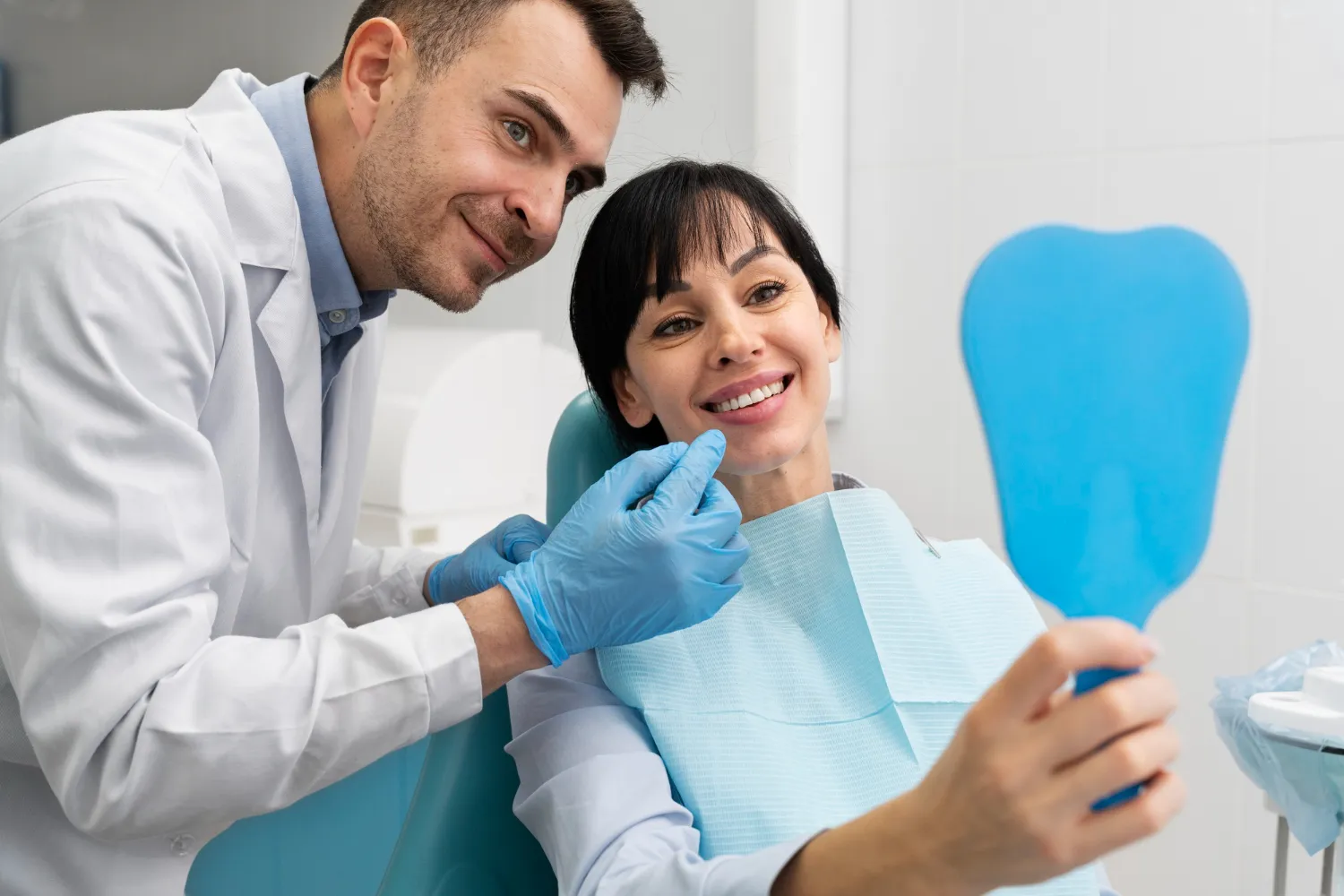
Not long ago, you got a dental crown, and since then, you have felt some discomfort or asked yourself What could go wrong?” It might be helpful for you to understand the usual dental crown problems and the ways doctors solve them to safeguard the money you have invested and maintain your oral health. A dentist in Winnipeg can teach you how to take care of your crown so that it remains strong and durable for a long time.
What Are Dental Crowns?
Dental crowns are essentially supportive covers that are fitted over the decayed or weak teeth. They bring back to the tooth its original strength, function, and aesthetic, thus enabling you to eat, talk, and show off your beautiful smile without fear. Despite the fact that these crowns are mostly durable, the problems may still be symptoms of improper care or a wrongly installed crown if they are noticed.
What Are the Most Common Problems After Getting a Dental Crown?
Some of the most frequent dental crown problems include:
- Sensitivity: Teeth may feel sensitive to hot or cold after placement.
- Discomfort or pain: Improper fit or bite misalignment can cause pressure.
- Chipping or cracking: Porcelain crowns can chip if exposed to hard foods.
- Loosening: Crowns may become loose if the cement fails.
- Dark line at the gum: Older metal-based crowns can show a dark edge near the gumline.
Recognizing these issues early allows your dentist to address them before they worsen.
How a Dentist Supports Fixing Dental Crown Issues
An experienced Winnipeg dentist is the right person to go to in case you have any issues with your dental crown. There are many kinds of repairs that a dentist can do, namely:
- Adjustment of the bite by changing the crown
- Replacements of the crown, which can be either partial or total if the latter is loose
- Repairing of minor chips
- Offering relief to decay or gum problems in the area around the crown
Regular visits to the clinic are necessary to uncover even the smallest problems before they become big ones, which is a great help in dealing with dental crown problems and how dentists fix them efficiently.
How to Prevent Issues With Your Crown
First of all, you need to find dental crowns near you, which is just the beginning of the journey. However, it is equally important to keep them. Here are the ways to prevent common crown problems:
- Practice good oral hygiene: To prevent decay around the crown, you should definitely brush and floss every day.
- Avoid hard foods: Do not use your teeth to bite off a piece of ice, a hard candy or a non-food object.
- Wear a nightguard: In case you have the habit of grinding your teeth, this device safeguards your crowns from breaking.
- Regular dental visits: Your dentist is able to keep track of your crown and identify the problems at an early stage.
By taking these prevention measures, not only are you extending the life of your crown but also ensuring the safety of your natural tooth underneath.
What to Expect During Routine Crown Checkups
At the checkups, a dentist near you will:
- Have a look at the crown for any cracks or general wear
- Measure the bite and if necessary, make an adjustment
- Investigate the gums around and teeth for any indications of decay
- Help the crown to continue as an attractive part of your mouth through cleaning and polishing
These easy steps can keep the major part of the problems at bay.
Keep Your Crown Strong and Your Smile Bright!
Worried about keeping your dental crowns in Winnipeg healthy and lasting for years? Book your appointment. At Smiles on Portage, our team provides expert guidance, personalized advice, and professional care to help you maintain a strong, problem-free smile.
FAQs
Can you lose your dental crowns without any outside force?
Yes, a crown may detach if the cement that holds it is broken or if there is decay under the crown. A dentist can do one of these two: recement it or change it.
Are crowns noticeable when I smile?
Modern crowns are designed to match your natural teeth, making them nearly invisible.
What should I do if my crown chips?
Reach out to your dentist as soon as possible. Minor chips are usually fixed easily without the need to change the whole crown.
Can I whiten a crowned tooth?
No, crowns don’t respond to whitening agents. Your dentist can advise if a replacement is needed to match the colour of your teeth.