
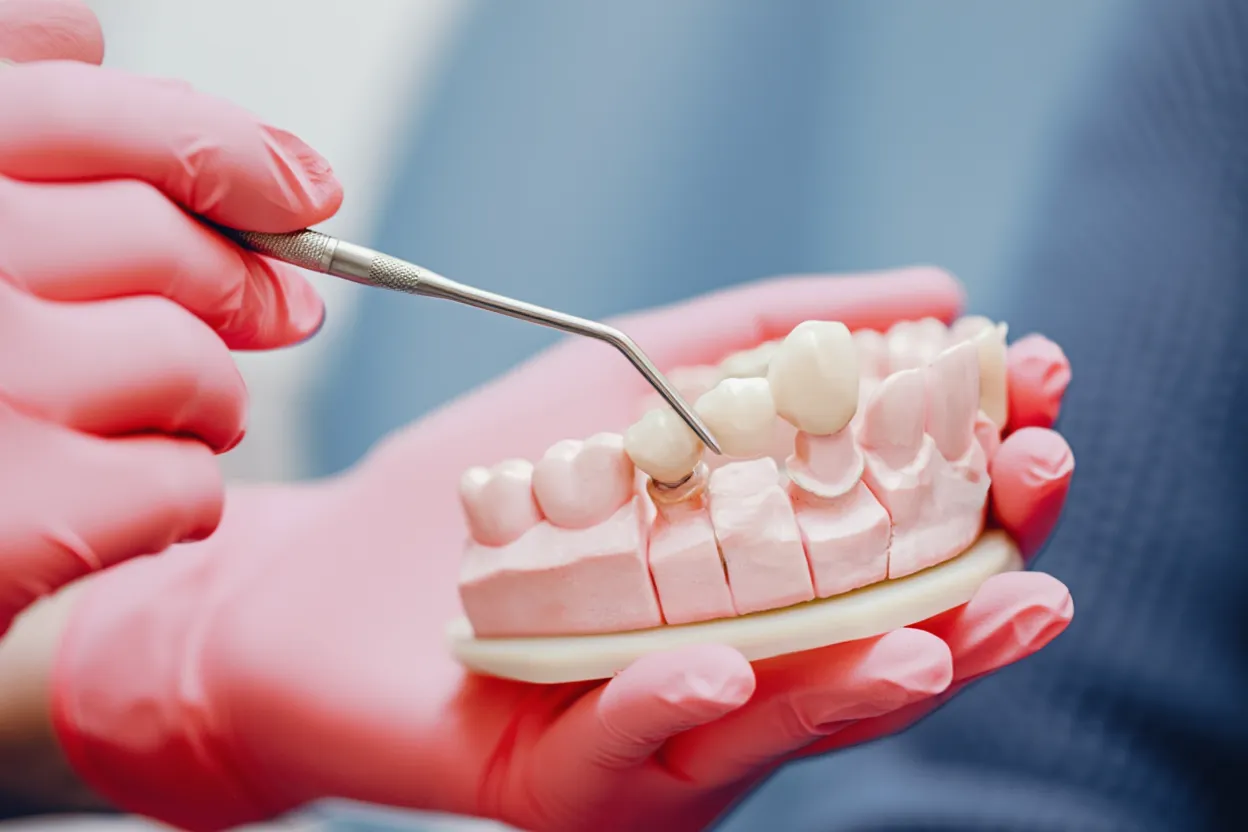
When you lose your teeth, eating isn’t the only thing affected. Missing teeth can also affect the way you speak, your facial structure, and how confident you are to smile or speak when in the public eye. A lot of people explore tooth replacement solutions for both comfort and appearance. When a patient visits a dentist, they can better understand the options and choose a suitable treatment. Dental bridges in Winnipeg are a widely used restorative solution that fills gaps, supports oral function, and helps create a more complete smile.
Understanding how bridges work, who they may benefit, and what the general treatment process involves allows patients to make informed decisions when discussing restorative care with a dental professional.
What Are Dental Bridges, and How Do They Work?
A dental bridge is designed to “bridge the gap” between one or more missing teeth with either a crown or a prosthetic. Natural teeth or dental implants usually support them on the sides of the gap. When you are getting dental bridges near you, you will learn that bridges help restore chewing ability, maintain alignment, and support a natural-looking smile.
A dental bridge is usually custom-crafted to match the shape, bite, and colour of surrounding teeth. The abutment teeth could be modified to stabilise the bridge, with a tooth inserted in between to cover the gap. Bridges are made of strong dental material, made in a way that allows for custom dental bridge options that meet comfort and aesthetic goals. If you take care of them well, they can prove to be a reliable long-term solution for oral function and confidence.
How Does the Process of Getting a Dental Bridge Generally Work?
What Steps Are Usually Involved?
The process commonly begins with a dental evaluation where the dentist in Winnipeg assesses oral health, bone support, gum condition, and bite alignment. Impressions or digital scans are taken to design a precise and well-fitting bridge. Supporting teeth may be reshaped, and a temporary bridge may be placed while the permanent restoration is being crafted in a dental lab. Once completed, the permanent bridge is carefully fitted, adjusted, and securely bonded.
Who May Dental Bridges Be Suitable For?
Dental bridges are normally suggested for those who have one or more missing teeth and desire a non-removable option. When dental implants cannot be carried out or are not preferred, dental bridges may be considered. Professional consultation determining the most suitable solution for the individual.
What Materials and Technologies Are Commonly Used?
The dental bridges are usually made from tough porcelain, ceramic, or metal-ceramic combinations. Professional measurements and the latest fabrication tools will ensure the accuracy and comfort of such bridges. There are many custom dental bridge options, and your dentist will guide you in choosing what will work best for you.
What Can Patients Generally Expect?
Patients can usually expect improved chewing, restored smile symmetry, and support for surrounding teeth. Mild sensitivity or adjustment time may occur initially. Ongoing care, hygiene, and long-lasting dental bridge maintenance—including regular checkups—help extend the lifespan of the bridge.
What Benefits Do Dental Bridges Offer in Everyday Life?
Dental bridges can provide many benefits, such as helping restore chewing function, supporting clear speech, and preventing teeth from shifting into empty spaces. Many people also enjoy the boost of confidence a full smile can provide. Expertly planned and positioned bridges can provide comfort and also appear similar to natural teeth. With proper care, bridges can last for several years while supporting aesthetics. For individuals exploring dental bridges, learning how bridges enhance daily comfort and oral stability can make discussing treatment options easier and more reassuring.
How Do Dental Professionals Ensure Safety and Quality?
Dental professionals follow medical guidelines when planning and placing bridges. Careful assessment, digital imaging, and treatment planning will ensure the safety and efficacy of the bridge while matching your bite and oral health. Going to a trusted dental clinic near you will provide ongoing support and adjustments when necessary and will help maintain the bridge and your oral wellness.
How to Know if Dental Bridges Are Right for You?
A dentist can offer invaluable insight for anyone interested in tooth replacement. A dental clinic in your proximity can assess your oral health, inform you about different types of bridges, and recommend suitable options according to personal needs, lifestyle, and long-lasting comfort. Patients can also gain insight into maintenance routines, expenses, and what would be achieved at the end. Personalised consultation ensures that every step—from assessment to aftercare—is supported with expert care.
How Can Smiles on Portage Help You Restore Your Smile?
Dental bridges are a reliable restorative solution that can help fill gaps, support oral function, and restore confidence. If you are considering dental bridges, professional consultation is the best first step. Smiles on Portage provides patient-focused care and guidance for those exploring restorative dentistry solutions. To learn more or discuss whether a dental bridge may be right for you, the team at Smiles on Portage is here to support your oral health journey. Schedule an appointment today.
➡️ A complete, healthy smile is just a visit away – tap here for quick directions to Smiles on Portage.
FAQs
What is the procedure for getting dental bridges?
A dental exam, tooth preparations, impressions, insertion of a temporary bridge, and bonding the permanent bridge to the teeth usually comprise it.
What is the average lifespan of dental bridges?
By maintaining good oral hygiene and with routine visits to the dentist, dental bridges can last for many years. It also depends on care and the overall oral health of the individual.
Is it possible to get dental bridges for multiple teeth?
Yes, bridges can be placed to replace one or several missing teeth, depending on the supportive structure and evaluation of the dental professional.