
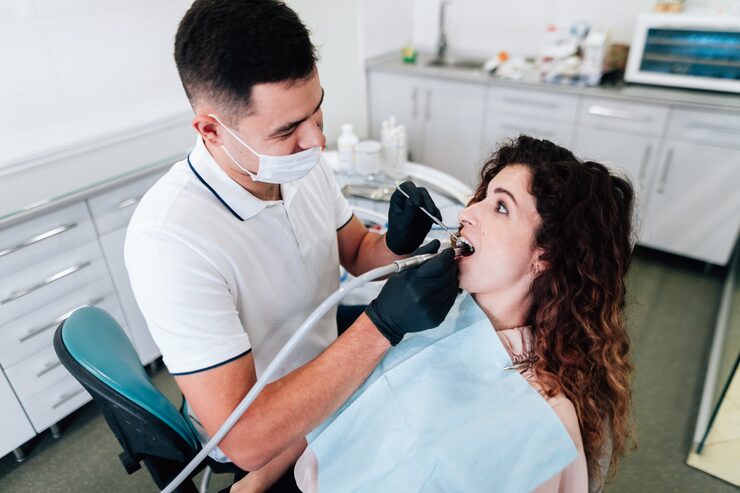
Why do problems of bad breath persist despite brushing and mouth washing at home? Bad breath may affect self-confidence and personal interactions, especially when it recurs. It is common practice for individuals to seek advice from the dental clinic in Winnipeg when their efforts to solve the problem at home fail. More often than not, bad breath is associated with oral hygiene issues beyond just brushing.
Professional dental cleanings help target the real source of the issue by removing hidden buildup and improving overall mouth freshness.
What Causes Bad Breath in the Mouth?
Bad breath can come from different sources inside the mouth. In many cases, it is not just about food smells but deeper oral health issues.
Common causes include:
- Food particles are trapped between teeth.
- Dry mouth (less saliva flow)
- Gum irritation or early gum disease
- Bacteria build up on the tongue.
- Poor oral hygiene habits
When these issues are not treated, the smell can become stronger over time.
Role of Plaque and Tartar Buildup in Bad Breath
One of the biggest causes of bad breath is plaque and tartar buildup. Plaque is a sticky layer of bacteria that forms on teeth every day.
If not removed, plaque hardens into tartar, which:
- Traps more bacteria
- Irritates gums
- Creates a strong odour in the mouth
- Becomes difficult to remove with brushing alone
This is why professional cleaning is needed to remove it fully.
How Dental Cleanings Help Improve Breath Freshness
You are seeking dental cleanings near you and dealing with stubborn, persistent bad breath that does not improve with brushing or mouthwash. Dental cleanings help by removing the root cause of the problem.
A professional cleaning can:
- Remove plaque and tartar buildup.
- Clean areas missed by brushing and flossing
- Reduce bacteria in the mouth.
- Improve gum health
- Leave the mouth feeling fresher.
This process helps restore a cleaner oral environment.
Why Professional Care is More Effective Than Home Care
Home care is important, but it has limits. Even with regular brushing, some areas in the mouth are hard to clean properly.
Visiting a dental office in Winnipeg is useful due to the following reasons:
- Special instruments can help eliminate hard deposits known as tartar.
- A deeper cleaning procedure goes below the gum line.
- It is possible to detect gum problems earlier.
- Dentists’ advice can improve personal oral care practices.
These steps will help you better manage bad breath.
The Connection Between Gum Health and Bad Breath
Gum health plays a big role in breath quality. When gums are inflamed, bacteria can grow more easily and create odour.
Symptoms indicating possible gum disease include:
- Gums bleed during brushing.
- Swollen or red gums
- Bad taste that won’t go away
- Ongoing bad breath
The treatment of gum disease often greatly improves breath odour.
Simple Habits That Support Clean Breath After Cleaning
Daily habits help temporarily maintain fresh breath after a professional cleaning.
Steps of assistance:
- Brush twice a day
- Daily cleaning between teeth.
- Stay hydrated always
- Gentle tongue cleaning.
- Make meals just a few hours apart.
These habits ensure less bacterial buildup.
When to Consider A Dental Visit for Bad Breath
Bad breath that persists despite good hygiene may need professional attention. A dental visit is helpful when:
- Bad breath lasts more than a few days.
- There is gum bleeding or swelling.
- Teeth feel coated or unclean.
- Mouth dryness is constant.
Early care can prevent more serious oral problems.
Breathe Fresh, Smile Confidently Again!
Oral cleansing is essential for managing halitosis, as it helps eliminate deposits and improve oral hygiene. With frequent professional services, the oral cavity becomes cleaner and more comfortable, helping maintain good oral hygiene practices. Contact Smiles on Portage for professional, high-quality services to promote good oral health.
FAQs
Can dental cleanings completely remove bad breath?
Dental cleanings can greatly reduce bad breath by removing plaque, tartar, and bacteria that cause odour.
How often should dental cleanings be done for bad breath?
Most people benefit from a cleaning every six months, but some may need more frequent visits based on oral health.
Will using mouthwash cure halitosis forever?
Although mouthwash can help mask the bad odour caused by bacteria, it will not address the underlying causes, such as gum problems.
Can gum disease cause strong, bad breath?
Yes, gum disease is a common cause of persistent bad breath due to bacterial infection in the gums.