
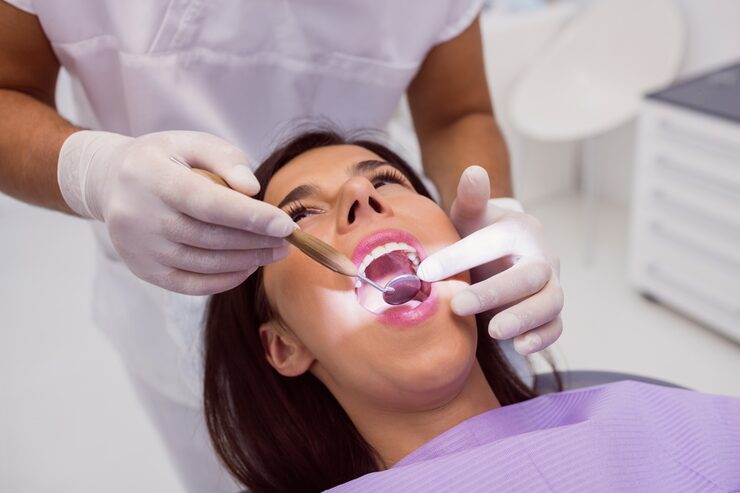
Tooth decay is one of the most common dental problems. It affects kids, teenagers, and adults alike. The good news? Most cases of tooth decay can be prevented — and when caught early, a simple dental filling can save your tooth. But before you search for dental fillings near you, it is important to understand why tooth decay happens in the first place. Many patients also visit a dental clinic Winnipeg for regular checkups and early cavity treatment.
What Is Tooth Decay?
Tooth decay is the damage that happens when bacteria in the mouth produce acid. This acid slowly breaks down the tooth surface called enamel. Over time, holes or cavities form in the teeth. If cavities are not treated, they can reach deeper layers of the tooth and cause pain or infection.
A dental fillings near you is used to restore the damaged part of the tooth and stop the decay from spreading further.
Main Causes of Tooth Decay You Should Know
Poor Oral Hygiene and Tooth Decay
This is the number one reason people develop cavities. Poor oral hygiene and tooth decay go hand in hand.
When you do not brush and floss regularly, food particles can become trapped between your teeth and along your gumline. Bacteria in the mouth feed on these particles and produce acids. These acids attack the enamel and slowly eat through it.
Brushing twice a day and flossing daily removes the plaque — a sticky film of bacteria — before it can cause damage. Skipping this routine, even for a few days, allows plaque to harden into tartar, which only a dentist can remove.
Sugar and Tooth Decay Causes
Sugar is a major fuel for the harmful bacteria in the mouth. Understanding sugar and tooth decay causes helps explain why diet matters so much for dental health.
Every time you eat something sugary — candy, soda, juice, cookies — the bacteria in your mouth go to work. They convert the sugar into acid almost immediately. This acid attacks the enamel for around 20 minutes after each bite or sip.
Frequent snacking on sugary foods exposes your teeth to repeated acid attacks throughout the day. Over time, this wears down the enamel, leading to cavities.
Dry Mouth (Xerostomia)
Saliva plays a very important role in protecting teeth. It washes away food, neutralizes acids, and contains minerals that help repair early enamel damage.
When someone has a dry mouth — a condition called xerostomia — there is not enough saliva to do this job. Dry mouth can be caused by certain medications, medical conditions, or simply not drinking enough water.
Deep Grooves in Teeth
Some people naturally have deeper grooves and pits on the surface of their back teeth called molars. These grooves trap food and bacteria more easily and are harder to clean with a regular toothbrush.
Dentists often recommend dental sealants for children to protect these areas, but adults can develop cavities there, too.
Acidic Foods and Drinks
Acidic foods and drinks — like citrus fruits, vinegar-based foods, and carbonated beverages — also wear away enamel over time. This is called dental erosion.
When the enamel thins, teeth become more vulnerable to bacterial attack and decay progresses faster.
How a Dental Filling Helps
Once decay is identified, a dentist removes the damaged portion of the tooth and fills the space with a material such as composite resin, amalgam, or glass ionomer cement. The filling restores the tooth’s shape and function and prevents further bacterial entry.
Early diagnosis and treatment at a trusted dental clinic keep the procedure simple, quick, and affordable.
Final Thought
Tooth decay does not happen overnight. It builds up slowly due to daily habits and diet choices. Knowing the causes gives you the power to make better decisions for your oral health.
Protect Damaged Teeth Using Fillings.
Smiles On Portage is a professional dental clinic that helps protect damaged teeth using fillings. Dental fillings repair cavities caused by tooth decay and prevent pain from worsening. Our dentist carefully examines your tooth and uses safe dental materials to restore its strength and shape. We focus on simple and gentle care for every patient. Regular checkups help maintain healthy teeth and gums. Book an appointment today.
FAQs
Does getting a dental filling hurt?
Dentists use a medicine called local anesthesia to numb the area around the tooth. This means you should not feel any pain while the dentist is fixing the cavity.
How long do dental fillings last?
Most fillings last for many years. However, they can wear down over time. Regular check-ups at a dental clinic help the dentist see if a filling needs to be replaced.
Can a cavity go away on its own?
If the decay is just starting on the enamel, sometimes fluoride can fix it. But once a hole forms, it cannot heal itself. A dentist must fix it with a filling.
What is the best way to prevent tooth decay?
Brush for two minutes twice a day, floss daily, and eat fewer sugary snacks. Visiting a dentist every six months for a cleaning is also very important.
Are silver fillings better than white fillings?
Silver (amalgam) fillings are very strong and good for back teeth. White (composite) fillings look more like natural teeth. A dentist will choose the best one based on where the cavity is located.